6 Questions to Ask Your Water Well Drilling Service
Knowing which questions to ask your water well drilling service provider is essential to ensure you receive quality service and a reliable water supply. Knowing the right questions can save you money, time, and stress. We will explore different aspects of the well drilling process, from expertise and equipment to cost and compliance, ensuring you're well-prepared for this significant investment.
1. What Experience Do You Have in Well Drilling?
When you're about to entrust a company with drilling your water well, it's crucial to evaluate their experience. A provider with several years of operation will likely have encountered various challenges and developed solutions to overcome them, ensuring smooth project execution. It's not just about longevity but also about the breadth of their experience in handling different drilling projects that resemble your specific needs.
In addition to understanding the company's years of operation, it's essential to inquire about the types of wells they've drilled. Some companies may specialize in certain types of wells, such as agricultural or commercial, which may not align with your residential needs. Evaluating their specialties can help determine if they are the right fit for your project, as different well types may require various techniques and approaches.
Client testimonials and references are invaluable tools for evaluating a company's reputation and reliability. Feedback from previous customers can shed light on the provider's efficiency, transparency, and quality of service. Furthermore, positive testimonials can affirm the company's credibility, assuring you of their capability to deliver satisfactory results and handle any potential issues that may arise post-drilling.
2. What Techniques and Equipment Do You Use?
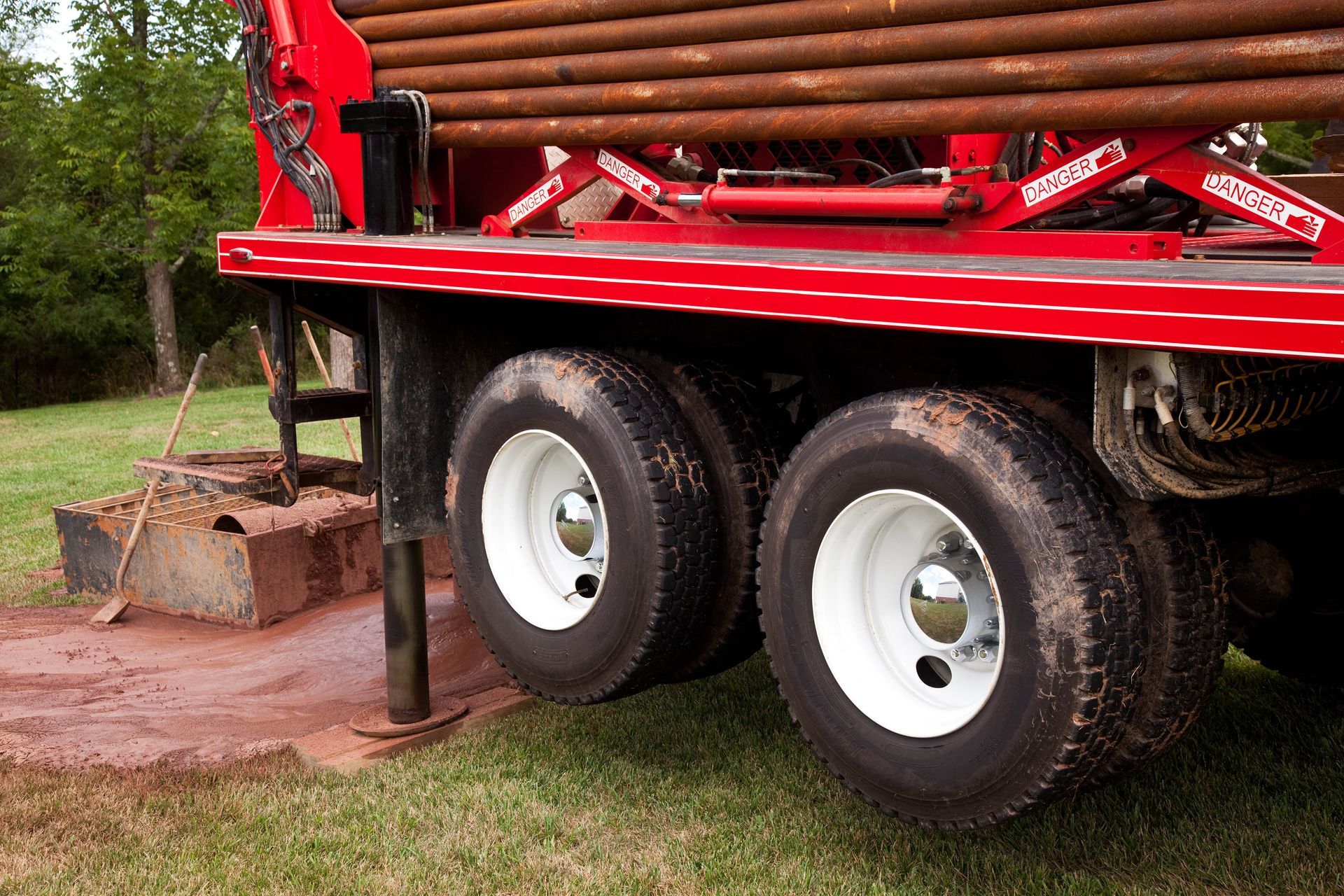
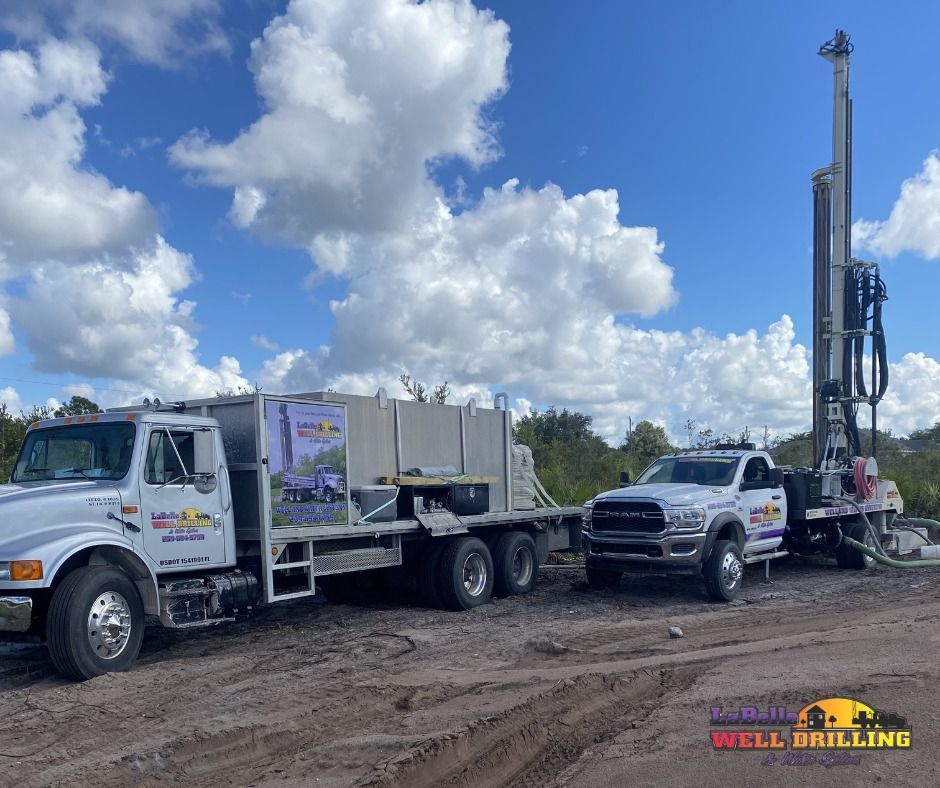
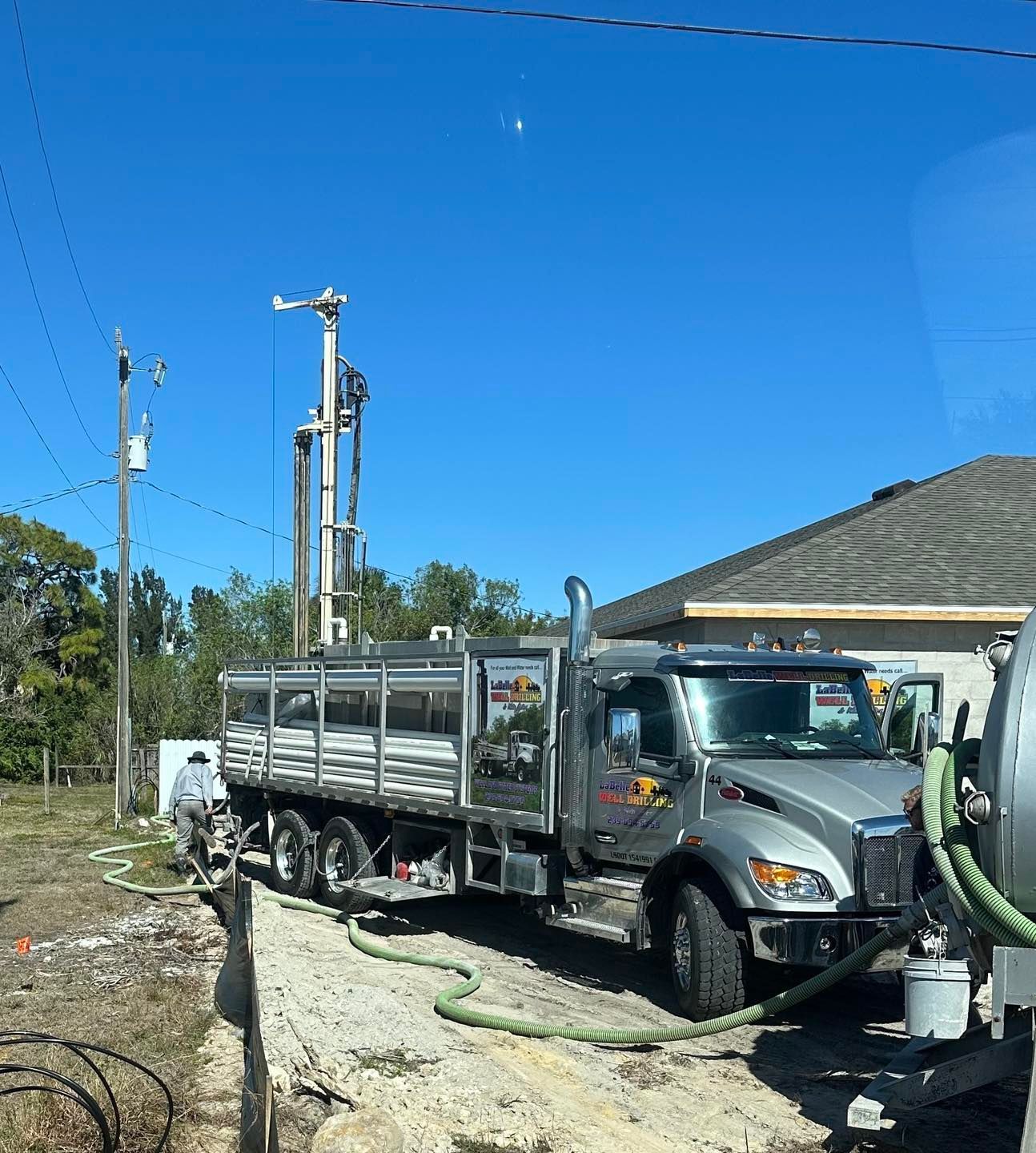
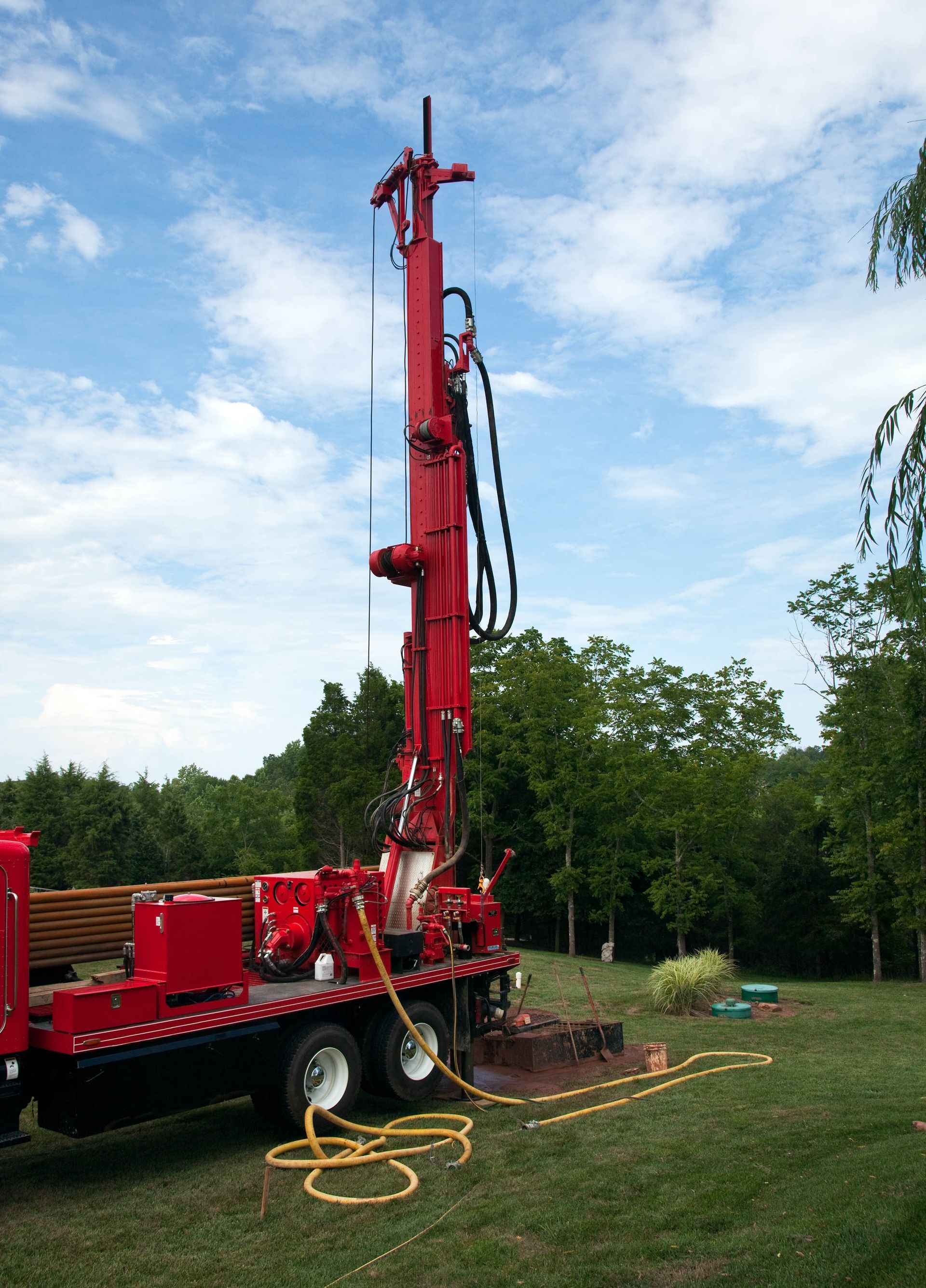
The techniques and equipment used in well drilling have evolved significantly over the years, thanks to technological advancements. Modern methods must prioritize efficiency and environmental impacts, ensuring the drilling process is both effective and sustainable. Inquiring about the provider's technology and equipment can offer insights into their operation's modernity and their ability to deliver a seamless drilling experience.
Understanding a company's safety measures is integral to ensuring the drilling process will not pose unnecessary risks. Providers must adhere to stringent safety protocols to protect both their workers and the surrounding community from potential hazards. A comprehensive safety plan is a strong indicator of the company's commitment to realizing the project with minimal negative impact.
A company's adaptability to different landscapes is crucial in determining their capability to handle your specific project. Different terrains pose unique challenges that require specialized equipment and expertise to manage effectively. Evaluating how a drilling company customizes their approach based on landscape specifics can speak volumes about their proficiency and flexibility.
3. What is the Estimated Timeline for Completion?
Understanding the estimated timeline for project completion is critical in managing expectations and planning effectively. The initial consultation and site survey are the foundation for this timeline, allowing the provider to assess the scope and complexity of the project. Realistic timelines save clients from unnecessary frustrations and ensure that the project aligns with other scheduled activities.
The duration of the drilling phase can vary significantly based on several factors including soil type, weather conditions, and the depth required. An informed projection of the drilling timeline allows for better preparation and resource allocation. Therefore, discussing potential delays and how they will be managed is essential for maintaining realistic expectations.
Post-completion procedures mark the transition into utilizing your new water well. These procedures may include equipment installation and system testing, ensuring the well functions as intended. Effective post-completion measures minimize future disruptions and ensure a reliable water supply. Open communication throughout this phase fosters a positive relationship between the client and the provider, allowing for timely updates on progress and any issues encountered.
3.1 Initial Consultation and Site Survey
Timelines for initial assessments and surveys. This initial stage is crucial in defining the project's scope, identifying potential challenges, and devising a tailored plan to meet your needs. A thorough site survey reveals geological characteristics that influence drilling strategy and timeline. During the consultation, it is important to inquire about the necessary permits and documentation. This proactive approach serves to expedite the project's initiation smoothly.
3.2 Drilling Phase Duration
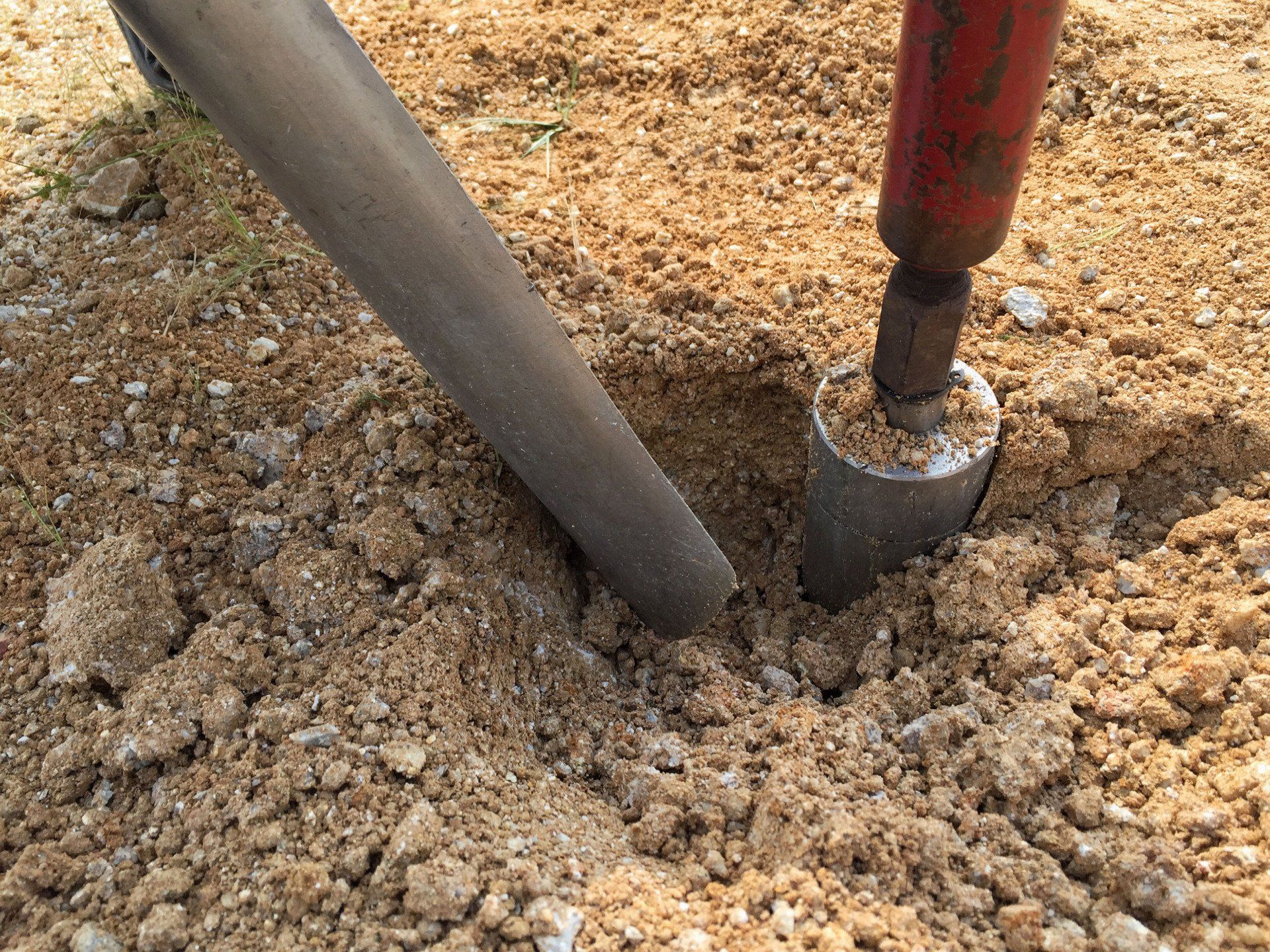
Factors affecting the drilling timeline. The geology of the site significantly influences the pace and duration of drilling. Hard rock formations require more time and specialized equipment compared to softer soils. Weather conditions also play a crucial role, as adverse conditions might cause delays. Efficiently crafted contingency plans for unexpected delays ensure a well-managed timeline. Those plans allow for a rapid response to challenges and minimize costly overruns.
4. What Are the Costs Involved?
Transparency in cost evaluation is vital to avoid overruns and financial surprises during your well drilling project. Understanding the breakdown of expenses helps ensure that you're making informed decisions and obtaining value for money. Reinforcing open communication with your provider to discuss costs ensures the project's financial aspects are effectively managed and ethically conducted.
Creating a comprehensive pricing plan that outlines payment terms is another significant step. Providers should offer flexible payment options catering to various client needs. Exploring potential payment plans and financing opportunities can ease budget constraints while optimizing the project's funding over its duration.
It's also imperative to be vigilant about hidden fees that may arise unexpectedly. Discussing and identifying all potential expenses upfront can prevent unpleasant surprises down the line. Carefully assessing and comparing quotes from multiple providers equips you with the knowledge necessary to discern fair pricing from exploitative costs.
5. What is Your Post-Drilling Support?
Post-drilling support ensures that your water well remains functional and efficient long-term. Providers should offer warranty and guarantee options to instill confidence in the longevity and quality of their services. Comprehensive support includes regular maintenance schedules that minimize future disruptions and optimize operation.
Troubleshooting and repairs are essential components of post-drilling support. Ensuring that your service provider is readily available to address potential issues fosters reliability. It's crucial to examine how quickly repairs can be initiated and what warranty covers to avoid prolonged service disruptions.
Water quality testing and treatment are additional services that heighten your well's efficacy and safety. According to the U.S. Geological Survey, about 45% of public-supply wells and about 37% of U.S. domestic supply wells have concentrations of lithium that could present health risks. Ensuring regular monitoring of your well water safeguards against contamination and aligns with safety standards.
6. How Do You Ensure Regulatory Compliance?
Ensuring compliance with regulatory standards is essential in avoiding legal repercussions and safeguarding environmental integrity. Providers should be knowledgeable about local regulations and obtain all necessary permits. Understanding compliance ensures the project is conducted within legal frameworks, thereby protecting both the client and service provider.
Regulatory compliance extends to ecological stewardship. Companies should conduct environmental impact assessments to mitigate drilling impacts on the surrounding ecosystem. A conscientious provider will engage with local authorities and pursue eco-friendly strategies to eschew detrimental effects.
Proper documentation and reporting procedures support regulatory adherence. Meticulous records demonstrate a provider's transparency and expertise, facilitating ease of audits and accountability. Maintaining comprehensive document trails across project phases manifests as proficient and diligent management, which is particularly crucial in legal disputes.
Choosing the right water well drilling service involves thorough research and asking the correct questions to safeguard your investment and ensure a sustainable water supply. Prioritize experience, technology, and compliance to get proper guidance on the drilling process. If you're in need of a top-tier water well drilling service, then look no further than LaBelle Well Drilling & Water Systems!
Share On: