
Common Misconceptions About Well Drilling
Access to a dependable water supply is essential for homes, farms, and businesses across the country. For many property owners, private wells provide that reliable source of water. According to the Environmental Protection Agency, more than 13 million households in the United States depend on private wells for their drinking water. Despite their widespread use, many misconceptions continue to surround well drilling, causing confusion about how wells are installed, maintained, and managed.
Misunderstandings about environmental impacts, water quality, costs, and long-term performance often lead property owners to make decisions based on myths rather than facts. Understanding the realities of well drilling helps homeowners and businesses make informed choices about their water systems and long-term water security.
Myth: Well Drilling Is Always Harmful to the Environment
One of the most common misconceptions is that well drilling automatically causes significant environmental damage. While any construction activity has some impact, modern well drilling practices are designed to minimize disruption and protect surrounding natural resources.
Professional contractors carefully evaluate drilling locations before work begins. Site assessments help determine the best placement for a well while reducing effects on nearby vegetation, wildlife habitats, and groundwater resources. Modern equipment and improved drilling methods also allow projects to be completed more efficiently than in the past.
Regulatory requirements further help ensure that well drilling is conducted responsibly. Permits, inspections, and environmental guidelines are often required before projects can move forward. These safeguards help protect groundwater supplies and encourage sustainable water management practices.
Myth: Every Well Produces Safe Drinking Water
Many people assume that water from any well is automatically safe to drink. While groundwater is often a high-quality water source, water quality varies depending on local geology, environmental conditions, and surrounding land use.
Different aquifers contain varying mineral levels and may be affected by naturally occurring substances or contaminants. Because of these differences, water testing is an important part of owning a private well. Testing helps identify potential issues and confirms whether treatment is needed.
Professional well drilling companies often recommend regular testing even after installation. Water quality can change over time due to environmental factors, weather conditions, or nearby development. Proper monitoring helps ensure that water remains safe and meets health standards. The reality is that well drilling provides access to groundwater, but water quality should always be verified through appropriate testing and, when necessary, treatment systems.
Myth: Well Drilling Is a Fast and Simple Process
Some property owners believe installing a well is a quick project that requires little planning. In reality, well drilling involves multiple stages that require technical knowledge and careful preparation. Before drilling begins, professionals evaluate geological conditions, groundwater availability, and property characteristics. These assessments help determine the proper location and depth needed to reach a reliable water source.
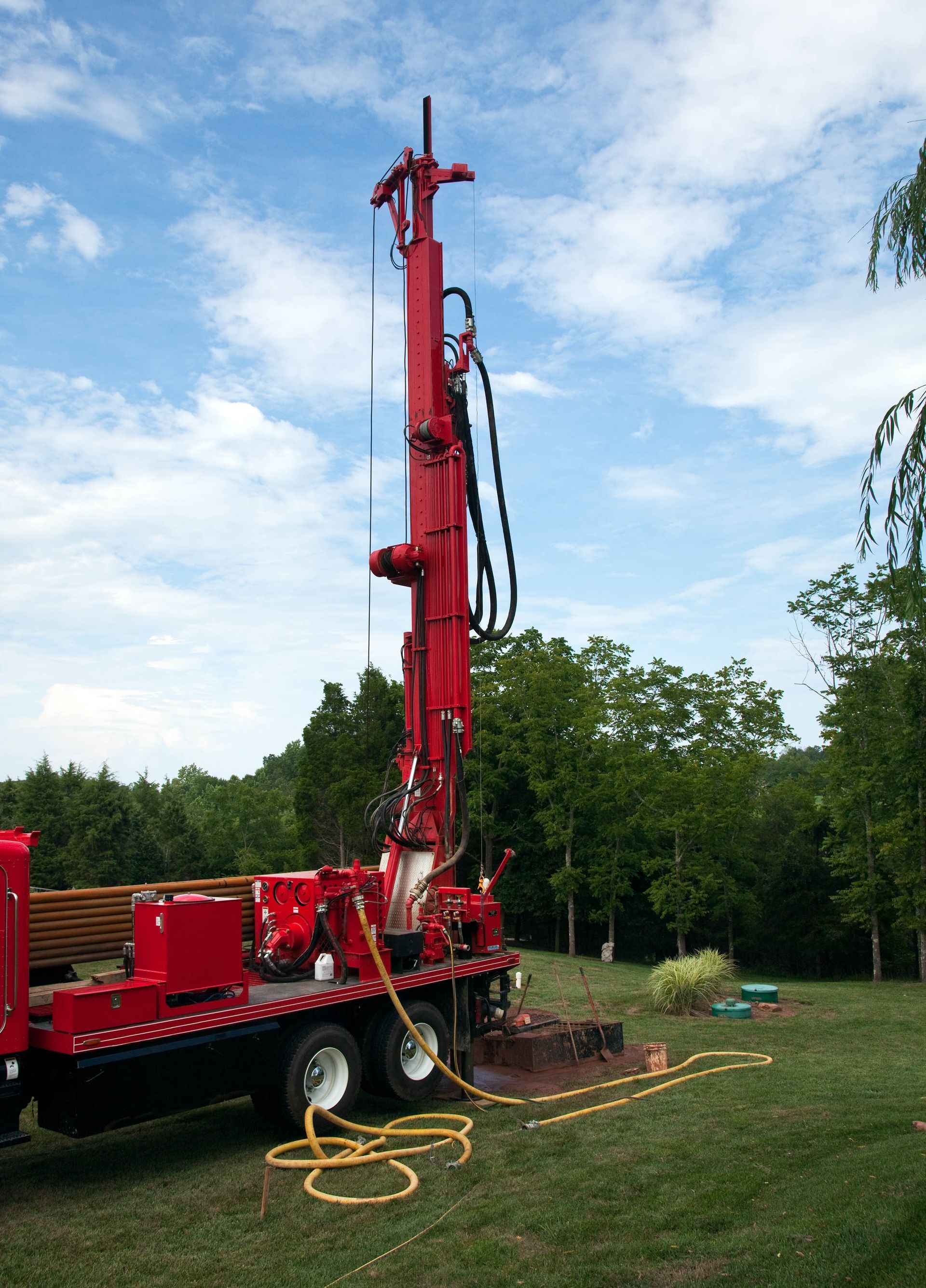
The drilling process itself requires specialized equipment and trained operators. Factors such as rock formations, soil conditions, and local regulations can all influence project timelines. Some installations may proceed quickly, while others require additional time due to site-specific challenges. Because every property is different, successful well drilling depends on experience, planning, and attention to detail. The process is far more involved than simply drilling a hole into the ground.
Myth: Drilled Wells Never Run Dry
Another widespread misconception is that once installed, a well will provide unlimited water forever. Although many wells provide reliable service for decades, groundwater supplies can fluctuate based on several factors. Rainfall patterns, drought conditions, aquifer recharge rates, and local water usage all influence groundwater availability. Extended dry periods may affect water levels and reduce well performance in some areas.
Proper system maintenance and responsible water use play important roles in protecting long-term well performance. Regular inspections can identify potential concerns before they become serious problems. While well drilling provides access to valuable groundwater resources, no water source is completely immune to changing environmental conditions. Understanding these factors helps property owners manage their systems more effectively.
Myth: Well Drilling Is Only for Rural Areas
Many people associate private wells exclusively with remote rural properties. While wells are common in rural communities, they are also used in many suburban and commercial settings. Some businesses, agricultural operations, and even certain developments utilize private wells to supplement or replace municipal water supplies. In areas where public infrastructure is limited or water demands are high, private wells can provide an efficient alternative.
Advancements in technology have expanded the applications of well drilling across a wide variety of environments. Customized drilling solutions allow contractors to adapt projects to different geographic conditions and property types.
As water management strategies continue evolving, wells remain an important resource for both rural and developed communities seeking reliable access to groundwater.
Myth: Anyone Can Drill Their Own Well
Some property owners assume they can save money by handling a well installation themselves. However, well drilling involves far more than operating equipment. It requires knowledge of geology, groundwater systems, regulations, safety standards, and construction practices.
Most jurisdictions require permits and compliance with specific regulations before drilling can begin. These requirements exist to protect groundwater quality and ensure public safety. Professional contractors understand how to navigate these requirements while properly constructing wells that meet industry standards. Mistakes during installation can lead to poor water production, contamination risks, or costly repairs. Investing in professional well drilling services often saves money over the long term by reducing the likelihood of future problems and ensuring the system performs as intended.
The Importance of Professional Planning
Successful well projects begin with careful planning. Every property presents unique challenges that influence drilling depth, equipment selection, and water system design. Professional contractors evaluate site conditions, groundwater availability, and customer needs before recommending solutions. This planning process helps improve efficiency and reduces the risk of unexpected complications.
Experienced specialists also understand how to account for future water demands. Whether the property serves a single household, agricultural operation, or commercial facility, designing an appropriate system is critical to long-term performance.
When property owners understand the complexity behind well drilling, they are better positioned to appreciate the value of professional expertise and proper project planning.
How Proper Maintenance Supports Well Performance
Another misunderstanding is that wells require no maintenance after installation. While wells are generally durable, periodic inspections and maintenance are essential for reliable performance. Routine evaluations can identify issues involving pumps, pressure systems, water quality, or mechanical components before they become significant problems. Regular maintenance also helps extend equipment life and improve efficiency.
Monitoring water quality remains an important responsibility for well owners. Consistent testing helps ensure the water supply continues to meet health and safety standards over time. Proper maintenance complements quality well drilling by helping protect the investment and ensuring dependable access to groundwater for years to come. Misconceptions about wells often create unnecessary concerns and unrealistic expectations. Modern well drilling is a carefully planned process supported by advanced technology, environmental safeguards, and professional expertise. While not every well automatically produces potable water and no well is guaranteed to last forever without maintenance, properly installed systems can provide dependable water for decades.
Understanding the facts behind well drilling allows property owners to make informed decisions about their water needs and long-term resource management. Whether you're considering a new well installation or evaluating an existing system, working with experienced professionals can make all the difference. If you're looking for reliable guidance and professional service, contact LaBelle Well Drilling & Water Systems today. Our experienced team can help you navigate every stage of the process and provide dependable solutions designed to meet your property's water needs.
Share On: