
What to Expect From Water Well Drilling
Starting the process of securing a private water source is a significant milestone for any property owner. When you decide to move away from municipal supplies, you are investing in independence and long-term value. However, the technical nature of the work often leaves homeowners wondering what the actual procedure entails. Understanding the timeline, the equipment involved, and the regulatory requirements can help demystify the experience. By preparing for the stages of water well drilling, you ensure that your project moves forward smoothly and that your household gains access to a reliable supply of clean water for years to come.
Assessing the Property and Planning the Site
The first stage of the process involves a thorough evaluation of your land to determine the most effective location for the bore. Geologists and technicians look for specific environmental indicators and historical data from nearby properties to predict where a productive aquifer might be situated. This planning phase is crucial because the placement must adhere to strict environmental codes. For example, the site must be a safe distance from septic systems, chemical storage areas, and property lines to prevent contamination. Professionals use specialized maps and local knowledge to identify the best spot for water well drilling, ensuring that the source remains protected from surface runoff and pollutants.
During this initial phase, the team also considers the accessibility of the site for heavy machinery. Large trucks and rigs require stable ground and sufficient overhead clearance to operate safely. If your property is heavily wooded or has steep inclines, some site preparation might be necessary before the actual work begins. Clear communication between the property owner and the crew during this stage prevents delays. Once the ideal spot is identified and the necessary permits are secured from local health or environmental departments, the physical work of water well drilling can finally commence on your property.
Understanding the Drilling and Casing Process
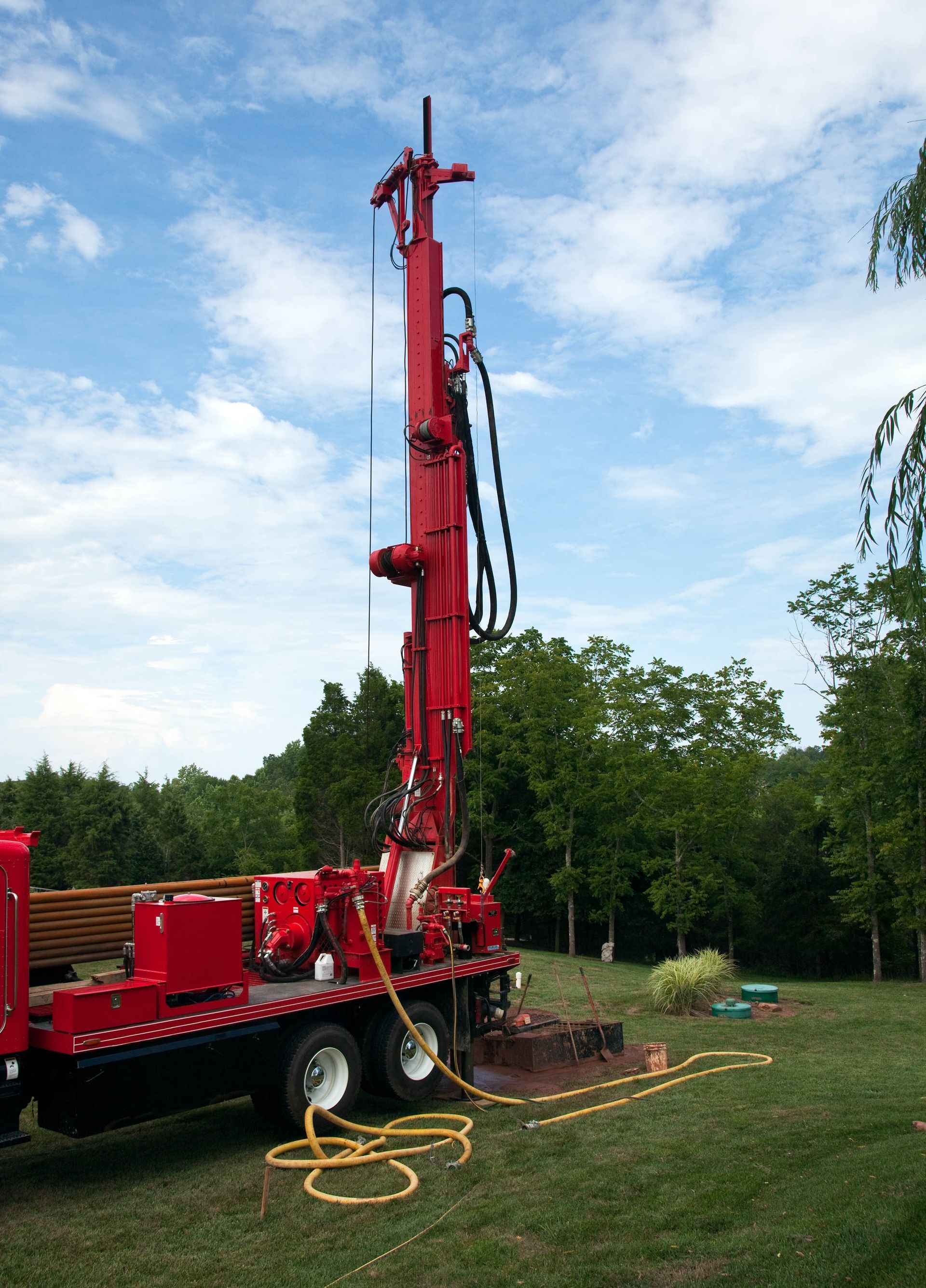
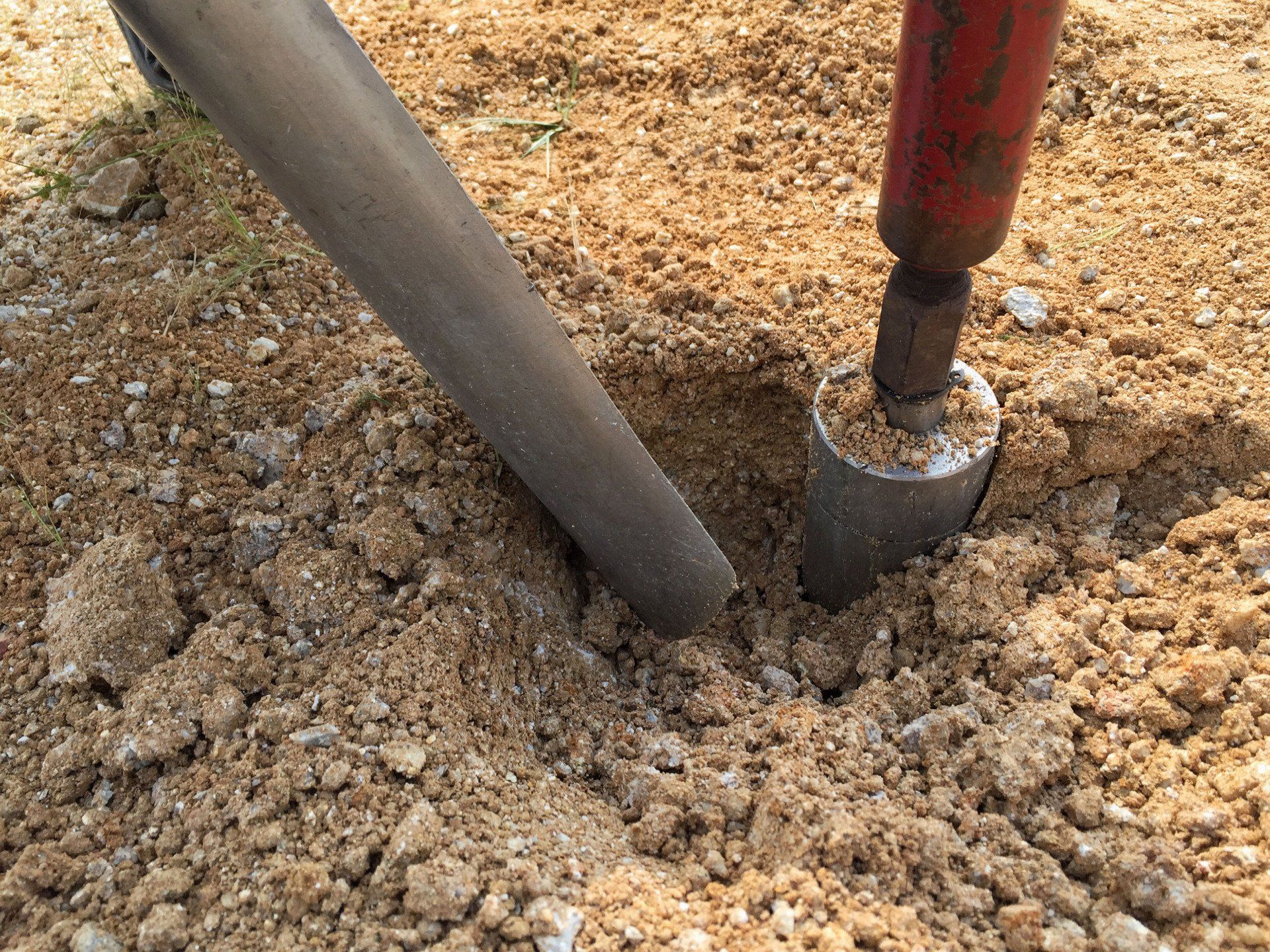
Once the rig is in place, the physical penetration of the earth begins. Modern equipment uses high-powered rotary bits to grind through various layers of soil, clay, and solid rock. As the bit descends, a drilling fluid is often used to cool the equipment and carry the excavated debris back to the surface. This part of the project is the most labor-intensive and noisy, but it is the core of the entire operation. The depth of the hole depends entirely on the local geology; some areas may hit a viable aquifer at one hundred feet, while others may require going much deeper to find a sustainable yield.
As the hole is created, the team installs a permanent casing. This casing, usually made of high-grade steel or heavy-duty plastic, serves as the structural wall of the well. It prevents the surrounding earth from collapsing into the bore and seals out low-quality surface water. Proper casing is a vital component of water well drilling because it maintains the integrity of the water source. Once the desired depth is reached, a screen is often placed at the bottom to allow water to enter the casing while filtering out large sediments and sand, ensuring that the intake remains clear and functional.
Developing the Well and Testing Water Quality
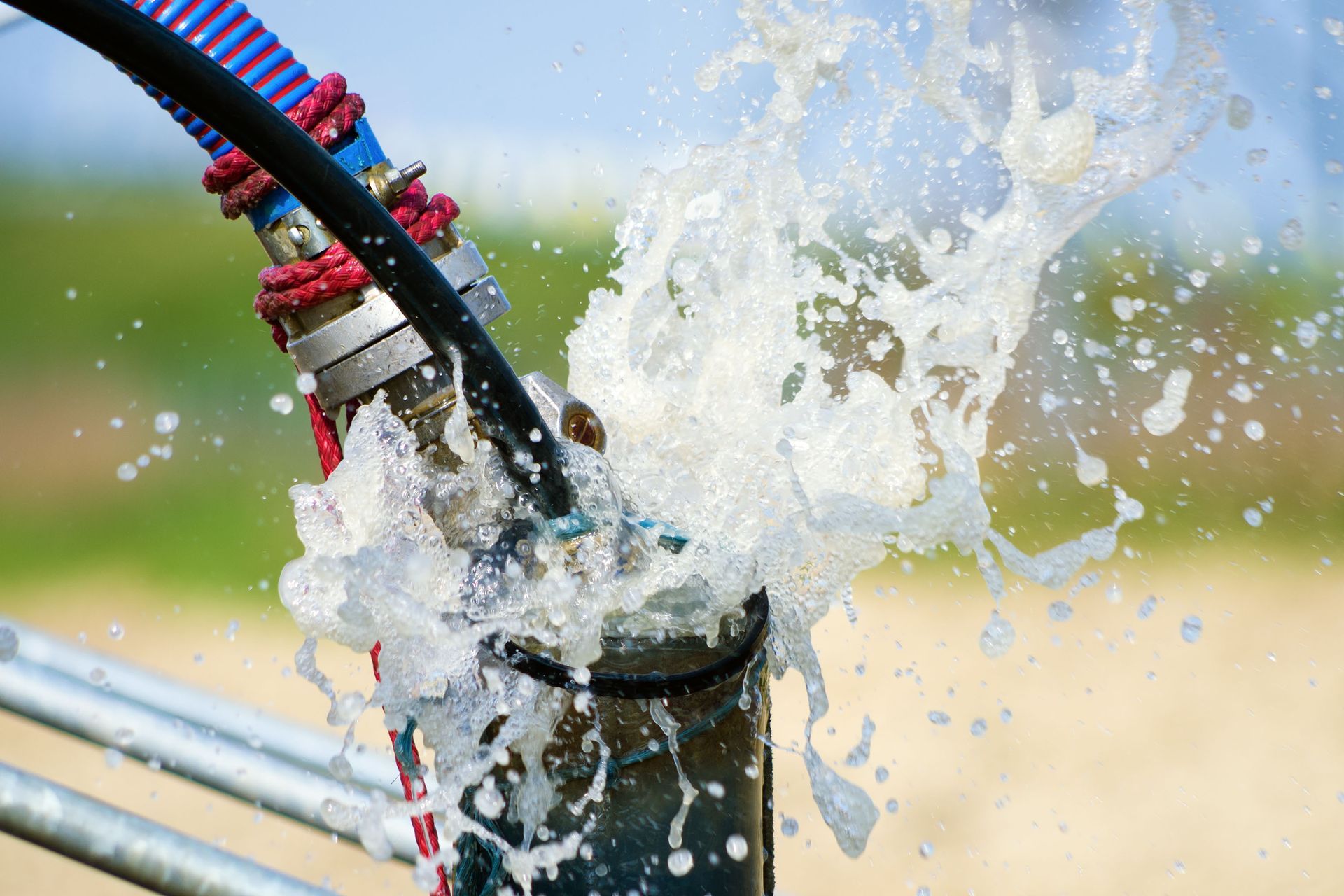
After the hole is drilled and the casing is set, the well must be "developed." This involves cleaning out the drilling fluids and fine sediments that may have accumulated during the construction process. Technicians use methods like surging or high-pressure air jetting to open the natural passages in the aquifer, allowing water to flow more freely into the casing. This step is essential for maximizing the flow rate and ensuring the longevity of the system. Without proper development, a well may struggle to provide the volume of water needed for a standard household.
Following development, a yield test is performed to measure how many gallons per minute the well can consistently produce. This data helps in selecting the right pump size for your specific needs. Simultaneously, water samples are collected for laboratory analysis. According to the U.S. Geological Survey, about 15 percent of the U.S. population relies on private wells as their source of drinking water, making safety a top priority. Testing for bacteria, nitrates, and mineral content ensures that the water is safe for consumption. If the tests reveal high levels of minerals or other impurities, various filtration or softening systems can be integrated into your home's plumbing.
Installing the Pump and Pressure System
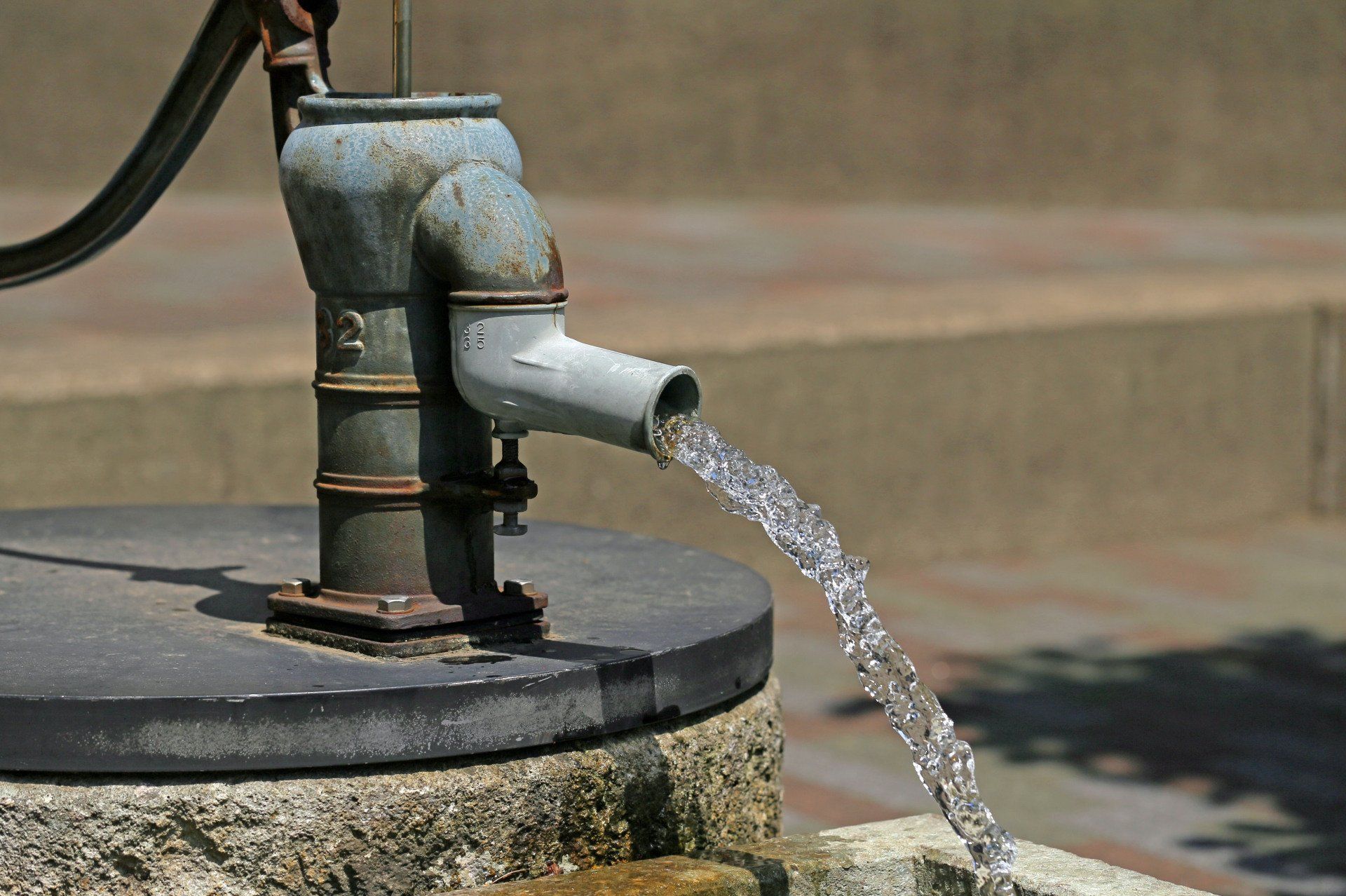
With a proven water source established, the focus shifts to the mechanical components that bring the water into your home. A submersible pump is typically lowered deep into the casing, attached to a pipe that carries the water to the surface. This pump is the heart of your water system, and its selection is based on the depth of the well and the expected daily usage of the household. Professionals carefully wire and plumb the pump to ensure it operates efficiently and remains submerged even when the water table fluctuates seasonally.
Inside the home or a dedicated utility building, a pressure tank and control system are installed. The pressure tank acts as a reservoir, maintaining a steady flow of water to your faucets without requiring the pump to cycle on and off every time you turn on a tap. This setup protects the motor from unnecessary wear and tear. Experts in water well drilling ensure that the entire system is pressurized and leak-tested before finalizing the project. Once the electrical connections are secured and the plumbing is integrated, you have a fully functional, independent water utility right on your own land.
Maintaining Your New Private Water Source
After the heavy machinery has left and the water is flowing, the responsibility shifts to long-term management. A private well is a robust asset, but it does require occasional attention to remain in peak condition. Homeowners should keep an eye on changes in water color, taste, or pressure, as these can be early indicators of mechanical issues or changes in the aquifer. Annual water testing is highly recommended to ensure that the quality remains consistent and that no new contaminants have entered the supply from the surface.
Maintaining the area around the wellhead is also important. Ensure that the ground slopes away from the casing to prevent rainwater from pooling, and keep any harsh chemicals or fertilizers away from the immediate vicinity. Scheduling a professional inspection every few years can help identify potential pump or tank issues before they become expensive repairs. By staying proactive, you can enjoy the benefits of water well drilling for decades. This self-sufficiency provides peace of mind, knowing that your family’s most essential resource is managed directly on your property with high standards of quality and care.
Investing in a private well is a comprehensive process that requires expert planning and precise execution. From the initial site survey to the final pressure test, each step is designed to provide you with a safe and sustainable water supply. If you are ready to gain independence from municipal lines and secure your property’s future, professional guidance is essential. Our team specializes in every aspect of the project, ensuring that your installation meets all local standards and provides optimal performance. Call LaBelle Well Drilling & Water Systems today to learn more about our services and how we can help you achieve your goals with expert water well drilling.
Share On: