
How Local Water Well Drilling Experts Keep Communities Hydrated
Reliable access to clean water is essential for healthy, thriving communities. While some areas depend on municipal water systems, many households, farms, and businesses rely on groundwater to meet daily needs. Accessing this resource requires careful planning, specialized equipment, and an understanding of local geological conditions. Professional drilling contractors provide the knowledge and services necessary to develop dependable water supplies while protecting underground resources.
Through site assessments, modern drilling techniques, and ongoing maintenance, these professionals help communities maintain consistent groundwater access. Their expertise supports reliable water supplies and responsible resource management. Local water well drilling also gives property owners access to solutions tailored to the groundwater conditions in their area.
Understanding Groundwater Resources
Exploring Underground Water Sources
Groundwater collects beneath the earth's surface in spaces between soil particles, sand, gravel, and fractured rock. These underground formations, known as aquifers, serve as important sources of fresh water. Precipitation replenishes many aquifers as rain and melting snow filter through the ground.
Groundwater availability varies depending on local geology, climate, and land use. Some areas have abundant underground reserves, while others contain limited aquifers that require careful management. Professionals involved in local water well drilling evaluate these conditions before recommending a drilling location or approach.
Water levels can also fluctuate with seasonal rainfall, drought conditions, and nearby pumping activity. Contractors consider these factors when developing wells that provide dependable supplies without placing unnecessary pressure on underground resources.
Comparing Groundwater and Surface Water
Groundwater and surface water offer different advantages for residential, agricultural, and commercial use. Surface water comes from rivers, lakes, and reservoirs, but these sources can experience seasonal changes and may be vulnerable to pollution from runoff and industrial activity.
Groundwater is often naturally filtered as it moves through soil and rock. However, it is not automatically safe to drink. Minerals, bacteria, and other contaminants may still require testing and treatment.
For properties without municipal water access, a properly constructed private well can provide an independent supply. Local contractors evaluate groundwater conditions to help property owners choose appropriate solutions through local water well drilling.
Evaluating Environmental Conditions
Agricultural chemicals, leaking fuel tanks, industrial waste, and improperly maintained septic systems can introduce contaminants into underground water supplies. Excessive pumping can also lower groundwater levels and affect nearby wells.
Responsible drilling practices help reduce these risks. Contractors evaluate surrounding land uses, follow applicable setback requirements, and use appropriate construction materials to protect wells from contamination.
Understanding the Expertise Behind Well Drilling
Developing Technical Knowledge and Experience
Successful well construction requires knowledge of geology, hydrology, equipment operation, and water system design. Drilling professionals must understand how different soil and rock formations respond to excavation and how those conditions influence drilling methods. Field experience helps them recognize obstacles and adjust their approach when unexpected conditions arise.
Training and continuing education are also important. Industry standards, equipment, and drilling technologies continue to evolve. Qualified contractors stay informed about relevant safety requirements and construction practices.
Using Modern Drilling Technologies
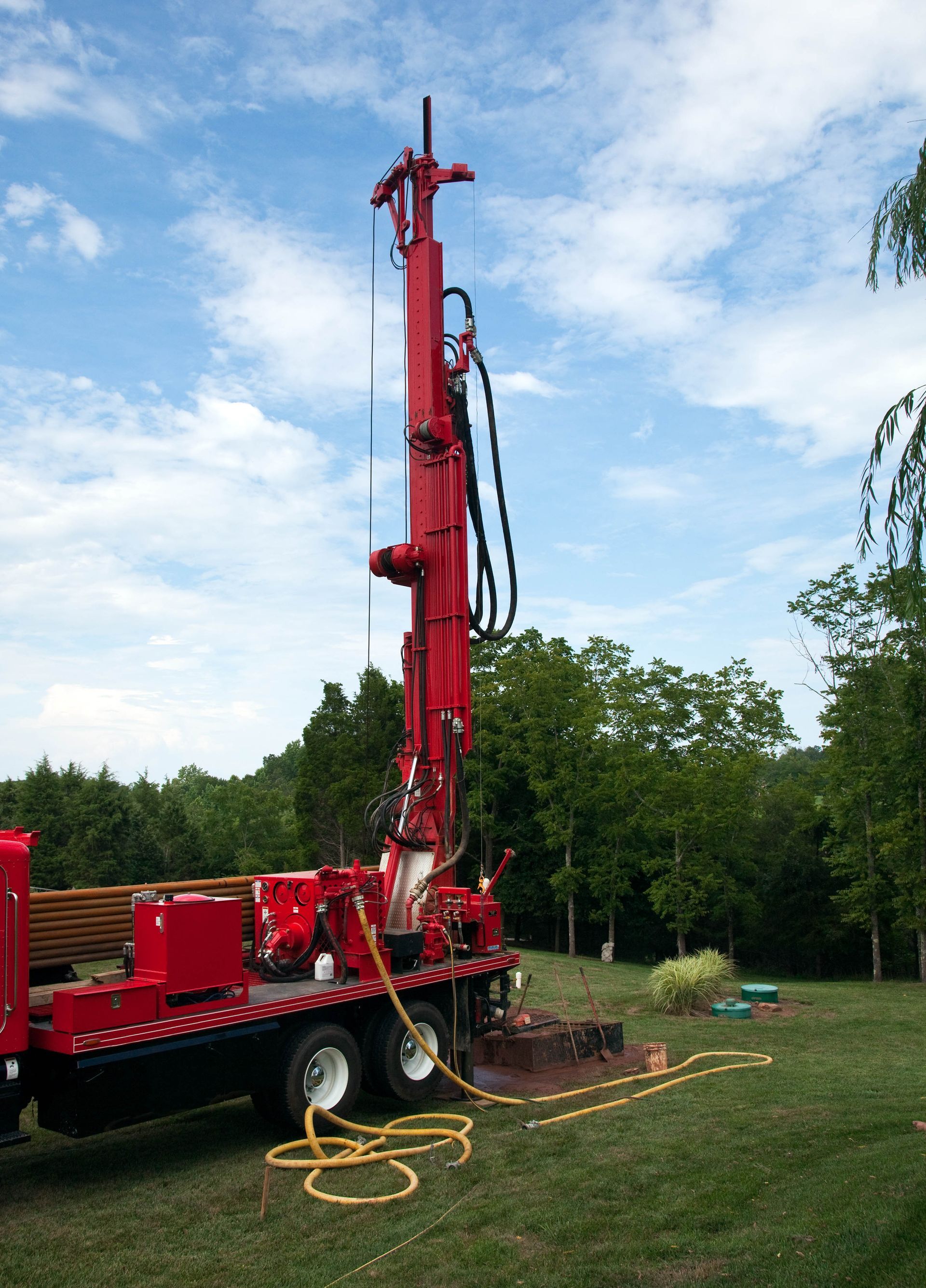
Modern drilling equipment allows contractors to work more efficiently across different geological conditions. Advanced rigs, monitoring systems, and specialized drill bits help improve penetration, track progress, and identify changes in underground formations.
Broader developments in the drilling industry demonstrate why technical expertise continues to matter. According to the US Energy Information Administration (EIA), the number of producing wells in the United States declined to 918,481 by 2024, but the share of horizontal wells (which require more advanced drilling techniques) increased from 10% in 2014 to 22% in 2024. Although these figures describe producing wells rather than water wells, they illustrate the growing use of sophisticated drilling methods across the industry.
For groundwater projects, contractors select technologies based on individual site requirements. Local water well drilling professionals combine modern equipment with practical experience to address different geological conditions.
Selecting Appropriate Drilling Locations
Choosing the right drilling location is essential for developing a dependable water supply. Contractors examine geological surveys, topographical information, groundwater data, and surrounding property conditions to identify promising locations. These assessments are an important part of successful local water well drilling projects.
They must also consider nearby septic systems, drainage areas, potential contamination sources, and property boundaries. Careful planning supports long-term water quality and reduces avoidable complications.
Following Regulations and Safety Standards
Water well construction is subject to local and state requirements designed to protect groundwater and public health. Regulations may address permits, minimum separation distances, casing materials, well sealing, and water testing.
Professional contractors follow these requirements throughout a project. Proper construction helps prevent surface contaminants from entering underground water sources while protecting the structural integrity of the well.
Selecting Effective Water Well Drilling Methods
Understanding Auger Drilling
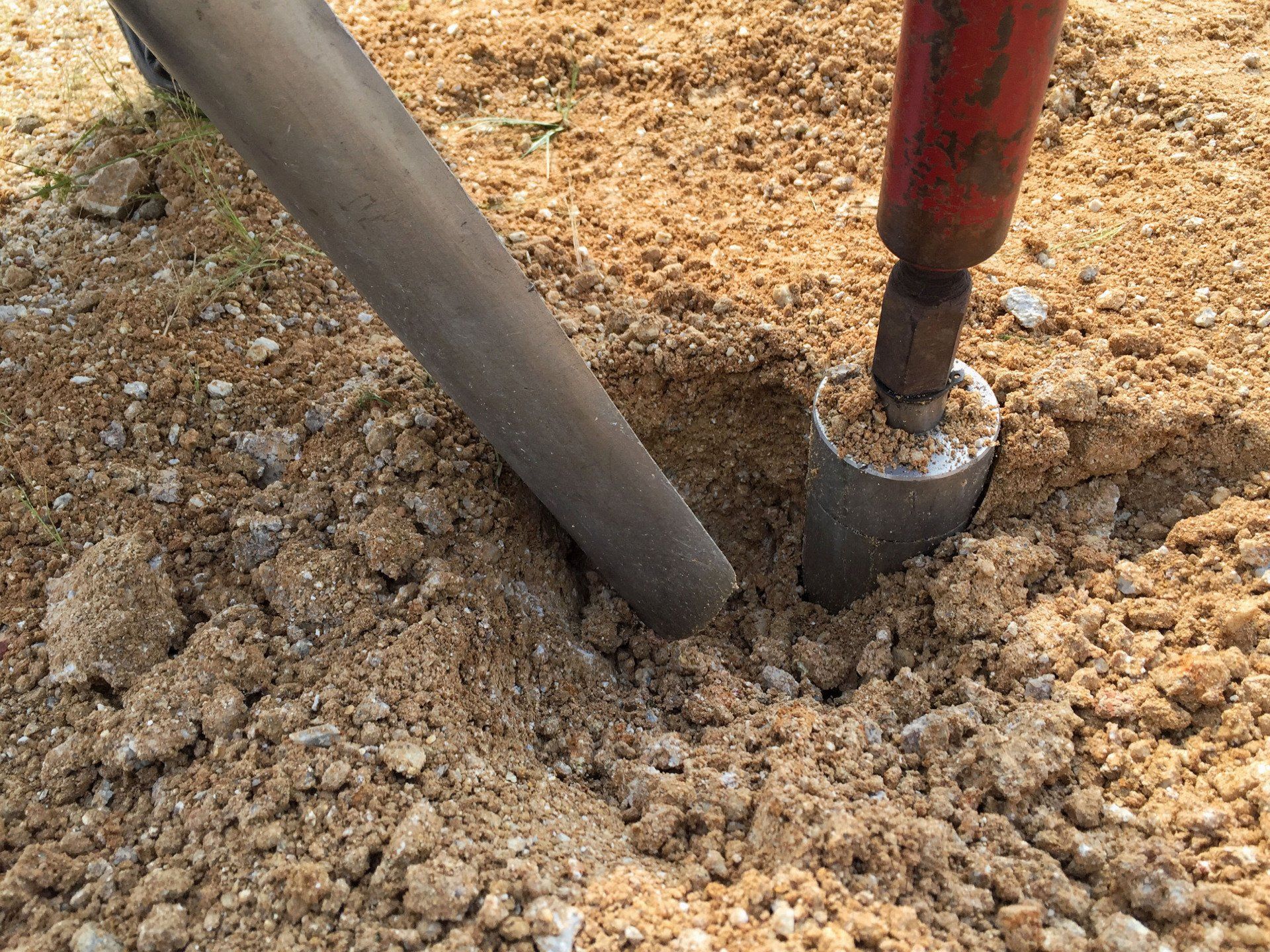
Auger drilling uses a rotating helical tool to remove soil and create a borehole. It is commonly suited to relatively shallow projects involving soft, unconsolidated materials. Its straightforward equipment requirements can make it an economical option when site conditions are appropriate.
However, auger drilling may not penetrate deep aquifers or hard rock formations effectively. Contractors evaluate these limitations before determining whether the method is suitable for a particular property.
Exploring Rotary Drilling
Rotary drilling uses a rotating drill bit to penetrate soil and rock formations. Depending on the equipment and geological conditions, drilling fluids or compressed air may help remove cuttings and stabilize the borehole.
This versatile method accommodates various underground conditions and is particularly useful for projects requiring deeper wells or penetration through challenging formations. Although equipment and operating costs can be higher, rotary drilling remains a common choice for professional well construction.
Considering Percussion Drilling
Percussion drilling relies on repeatedly raising and lowering a heavy drilling tool to break through underground materials. It can be effective in hard rock formations where other approaches may be less practical.
Although the process can take longer than some modern methods, its straightforward operation remains useful in certain locations. Experienced contractors determine whether it offers advantages based on geological conditions and project requirements.
Addressing Unexpected Drilling Challenges
Every drilling project presents potential complications. Unstable soil, unexpected rock layers, changing groundwater levels, and limited access can affect construction schedules and equipment requirements. Contractors must adjust their methods without compromising well integrity.
Proper planning, suitable equipment, and careful monitoring help reduce environmental disruption. Working with experienced professionals gives property owners access to informed recommendations throughout construction.
Maintaining Water Wells for Long-Term Reliability
Scheduling Regular Inspections
Well maintenance is essential for preserving water quality and consistent system performance. Regular inspections allow contractors to identify potential problems before they develop into expensive repairs. Common inspection points include the well cap, casing, electrical connections, pressure equipment, and surrounding drainage conditions.
Changes in water pressure, unusual sounds, cloudy water, or declining production may indicate an underlying issue. Professional evaluation can help determine whether the problem involves the pump, plumbing, well structure, or groundwater conditions.
Testing and Protecting Water Quality
Routine water testing helps identify contaminants that may not be detectable through taste, smell, or appearance. Private well owners should consider periodic assessments for bacteria, nitrates, and other relevant substances based on local recommendations.
Property owners should also maintain appropriate separation between wells and potential contamination sources, avoid storing chemicals nearby, and address drainage problems that could allow polluted surface water to reach the well.
Recognizing Signs of System Problems
Changes in water production can indicate pump deterioration, mineral buildup, or declining groundwater levels. Sediment, unusual odors, and inconsistent pressure may also signal problems requiring professional attention.
Timely maintenance can extend equipment life, protect water quality, and reduce unexpected interruptions. Regular professional evaluations also help identify concerns that could affect the long-term performance of a
local water well drilling installation.
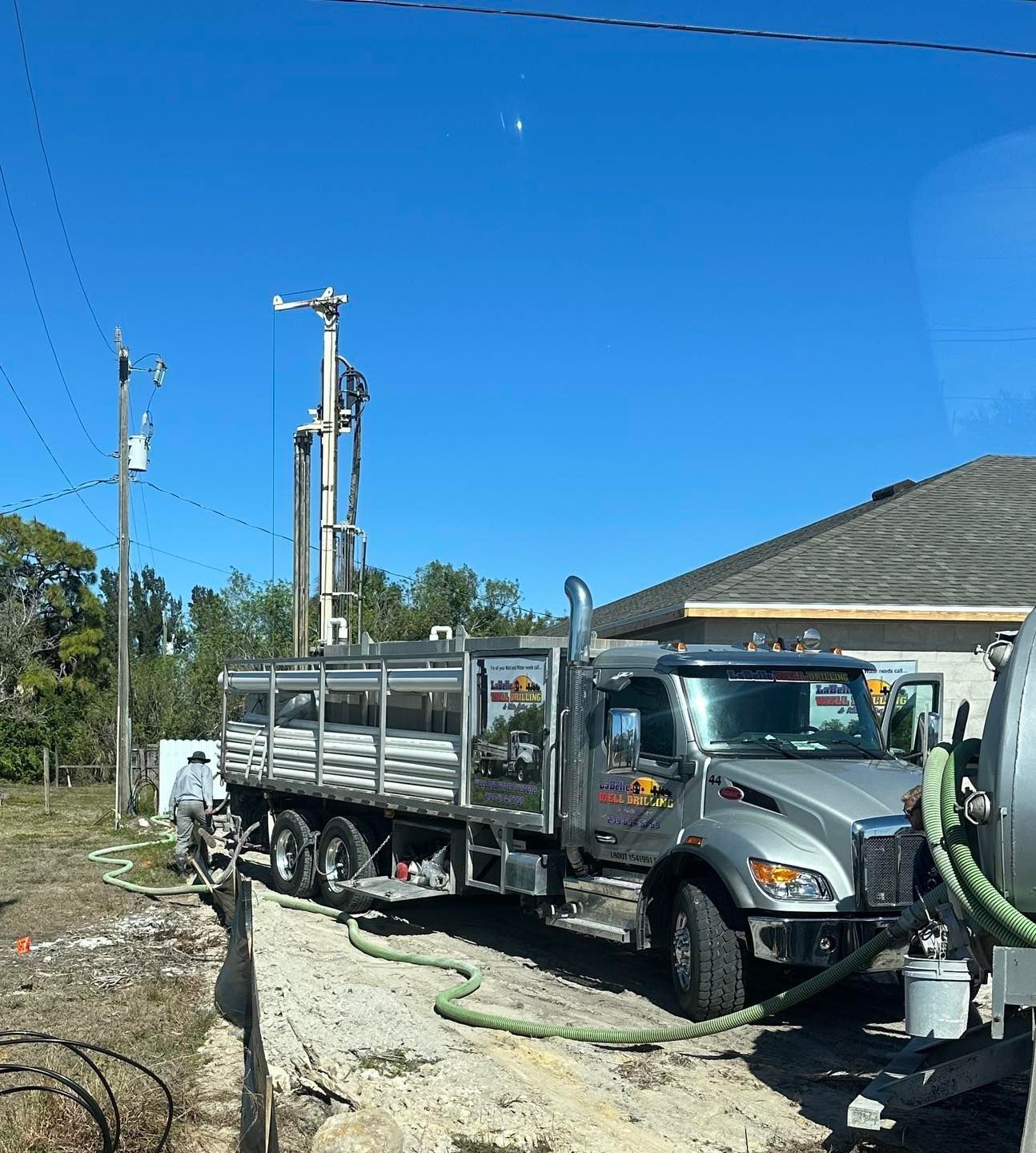
Whether developing a new water supply or maintaining an existing system, experienced professionals play an important role in keeping communities hydrated. LaBelle Well Drilling & Water Systems provides knowledgeable support for property owners seeking dependable water well solutions. Contact the team to discuss your property's water needs and learn how professional drilling and maintenance services can support a reliable water supply.
Share On: